
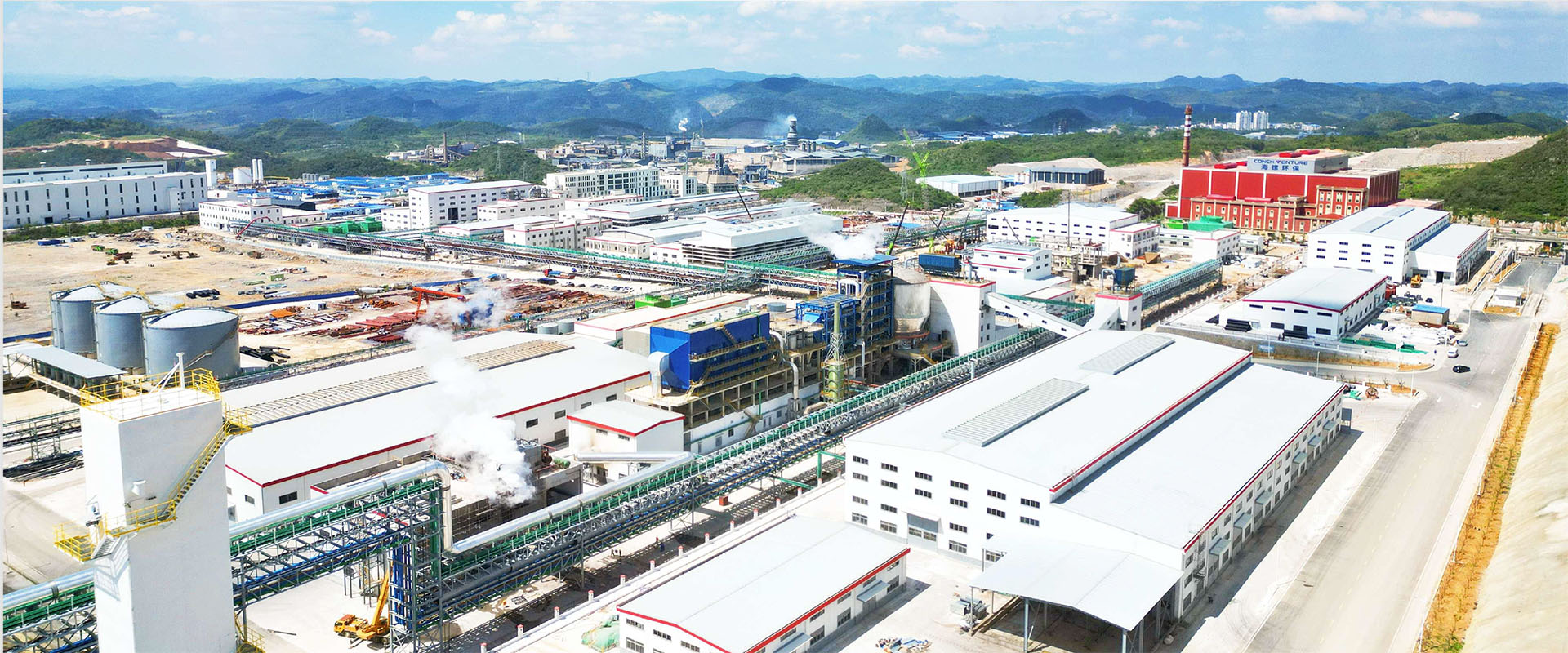
To ensure the anti-corrosion effect of steel structure workshops, it is essential to follow the full-process strategy of "source material selection + surface protection + construction control + post-operation maintenance". The core measures are as follows:
Optimize Base Material Selection to Reduce Corrosion Risks at the Source
Prioritize the use of weathering steel (e.g., Q355NH). Containing alloying elements such as copper and chromium, it can form a dense oxide film on the surface, making it suitable for open-air or high-humidity environments. For ordinary carbon steel, strictly control the content of sulfur and phosphorus impurities to enhance the rust resistance of the base material.
Hot-dip galvanized base metal with a galvanized layer thickness of ≥ 85 um can be adopted for key load-bearing components to significantly improve corrosion resistance and durability.
Apply the primer within 4-6 hours after rust removal to prevent secondary rusting of the steel.
Select a Suitable Anti-Corrosion Coating System for Layered Protection
Indoor dry environments: Use the coating system of primer (epoxy zinc-rich primer) + topcoat (alkyd enamel), with a total dry film thickness of ≥ 120 um.
Outdoor humid/industrial corrosive environments: Adopt the three-layer coating system of primer (epoxy zinc-rich primer) + intermediate coat (epoxy micaceous iron oxide intermediate coat) + topcoat (fluorocarbon paint/polysiloxane paint), with a total dry film thickness of ≥ 250 um. Fluorocarbon paint boasts excellent weather resistance and can guarantee an anti-corrosion service life of over 15 years.
Highly corrosive environments (e.g., acid-alkali workshops, coastal salt spray areas): Use heavy-duty anti-corrosion coatings or composite protection (hot-dip galvanizing + coating) to achieve dual enhancement of corrosion resistance.
Strictly Control Construction Quality to Prevent Coating Failure
Coating construction must meet environmental requirements: The temperature should be maintained at 5–35℃, relative humidity ≤ 85%, and the steel surface temperature should be 3℃ higher than the dew point. Construction should be avoided on rainy or foggy days.
Ensure uniform coating application without missing spots, sagging or blistering. Strengthen the treatment of easily overlooked areas such as welds, edges and bolt joints; touch-up painting can be applied to ensure coating integrity.
Strengthen Post-Operation Maintenance to Extend Anti-Corrosion Service Life
Conduct regular inspections: Check the coating for damage, peeling and rust spots every year, and touch up the paint promptly if any problem is found. For coastal or chemical industrial areas, shorten the inspection cycle to once every six months.
 Multi-high-rise Steel Structure
Industrial Plant
Steel Structure Bridge
Energy and Chemical Industry
Space Truss Pipe Truss
BIM application
prefabricated building
steel structure workshop
steel structure bridge
floor slab system
wall panel system
Multi-high-rise Steel Structure
Industrial Plant
Steel Structure Bridge
Energy and Chemical Industry
Space Truss Pipe Truss
BIM application
prefabricated building
steel structure workshop
steel structure bridge
floor slab system
wall panel system
 Scan the QR code to follow us
 Official WeChat
