
Before construction in the rainy season, a special rainy-season construction plan and emergency response plan shall be prepared, specifying measures for rain protection, lightning protection, electric shock prevention, collapse prevention, and fall from height prevention.
A weather warning mechanism shall be established, with dedicated personnel responsible for receiving warnings of rainstorms, thunderstorms, and strong winds. All outdoor operations shall be suspended immediately in severe weather.
Special safety and technical disclosures shall be provided to construction personnel, with emphasis on risks of working in rainy conditions.
The drainage system at the construction site shall be improved in advance, with drainage ditches, catch basins, and sedimentation tanks to ensure smooth drainage, no water accumulation, and no backflow.
Component stacking areas, hoisting areas, and material warehouses shall be elevated with wooden battens or section steel to prevent soaking, settlement, and overturning.
Construction roads shall be hardened with anti-slip and anti-subsidence measures, and sludge shall be removed promptly after rain.
Water retaining dikes shall be installed around foundation pits and bearing platforms to prevent slope instability caused by rainwater backflow.
In rainy days, roads are slippery, visibility is poor, and hoisting radius and mechanical stability are reduced; therefore, operations shall be carried out at reduced speed and load.
Hoisting shall be stopped immediately in heavy rain, thunderstorms, or strong wind of Grade 6 or above.
Steel members, steel wire ropes, and slings tend to slip when wet; their dryness shall be checked before hoisting, and anti-slip measures shall be taken if necessary.
Outriggers of hoisting machinery shall be firmly padded to prevent instability and overturning caused by softened ground.
Before resuming work after rain, foundations, roadbeds, and outrigger pads shall be inspected; operation is allowed only after confirming no settlement.
Surfaces of steel structural beams, columns, and purlins are slippery in rainy days. Safety belts and safety ropes must be fastened when walking or installing at height.
Working platforms, walkways, and ladders shall be treated for anti-slip, and accumulated water shall be removed in time.
High-risk suspended, edge, and unprotected work is strictly prohibited in rainy days.
Tools, bolts, and parts used at height shall be placed in tool bags; throwing is forbidden.
Open-air welding is strictly prohibited on rainy days. Rainproof sheds and covers shall be erected to keep the welding area dry.
When air humidity exceeds 90%, welding shall be stopped or dehumidification and drying measures shall be adopted.
Welding materials and electrodes shall be dried, kept warm, and moisture-proof, and taken for use immediately.
Insulation layers of welding cables, ground wires, and electrode holders shall be inspected to avoid damage and electric leakage.
Welding joints shall be inspected after rain to prevent defects such as porosity, cracks, and incomplete fusion.
Bolt friction surfaces are strictly prohibited from being exposed to rain, moisture, or contamination, and must be kept dry and clean.
Final tightening is not allowed on rainy days; installed bolts shall be covered for rain protection.
Friction surfaces shall be re-inspected before resuming work after rain; re-treatment is required for unqualified surfaces.
Coating is strictly prohibited on rainy or foggy days, or when humidity exceeds 85%.
Component surfaces must be dry, free of dew, oil, and loose rust before coating.
Paints and thinners shall be stored sealed in ventilated, rainproof, and sun-proof warehouses.
Adequate ventilation shall be ensured during coating to prevent poisoning and fire hazards.
All distribution boxes and switch boxes shall be rainproof, moisture-proof, and impact-resistant, with rain covers installed.
Cables and wires are strictly prohibited from being soaked in water; they shall be overhead or protected by pipes, and damaged ones replaced immediately.
Welding machines, cutters, and power tools shall be properly grounded or connected to neutral, with leakage protectors installed.
All power shall be cut off in thunderstorms; live working is forbidden.
Electricians shall hold certificates and inspect electrical equipment daily.
Temporary lightning protection grounding shall be installed in time after steel columns are erected to a certain height.
Tower cranes, construction hoists, and hoisting equipment shall be equipped with reliable lightning protection devices.
Personnel shall evacuate high and open areas immediately in thunderstorms; sheltering under steel members is prohibited.
Steel structural members and accessories shall be covered with waterproof cloth and stacked by category.
Small parts such as bolts, nuts, and washers shall be placed in moisture-proof boxes or warehouses.
Insulation testing shall be performed on electromechanical and welding equipment after rain.
Adequate rainproof, drainage, and emergency supplies shall be provided: water pumps, waterproof cloth, sandbags, shovels, emergency lights, etc.
The emergency plan shall be activated immediately in case of water accumulation, electric leakage, collapse, or slipping.
Comprehensive inspections of structures, scaffolding, machinery, and circuits shall be carried out after rain; work can be resumed only after safety is confirmed.
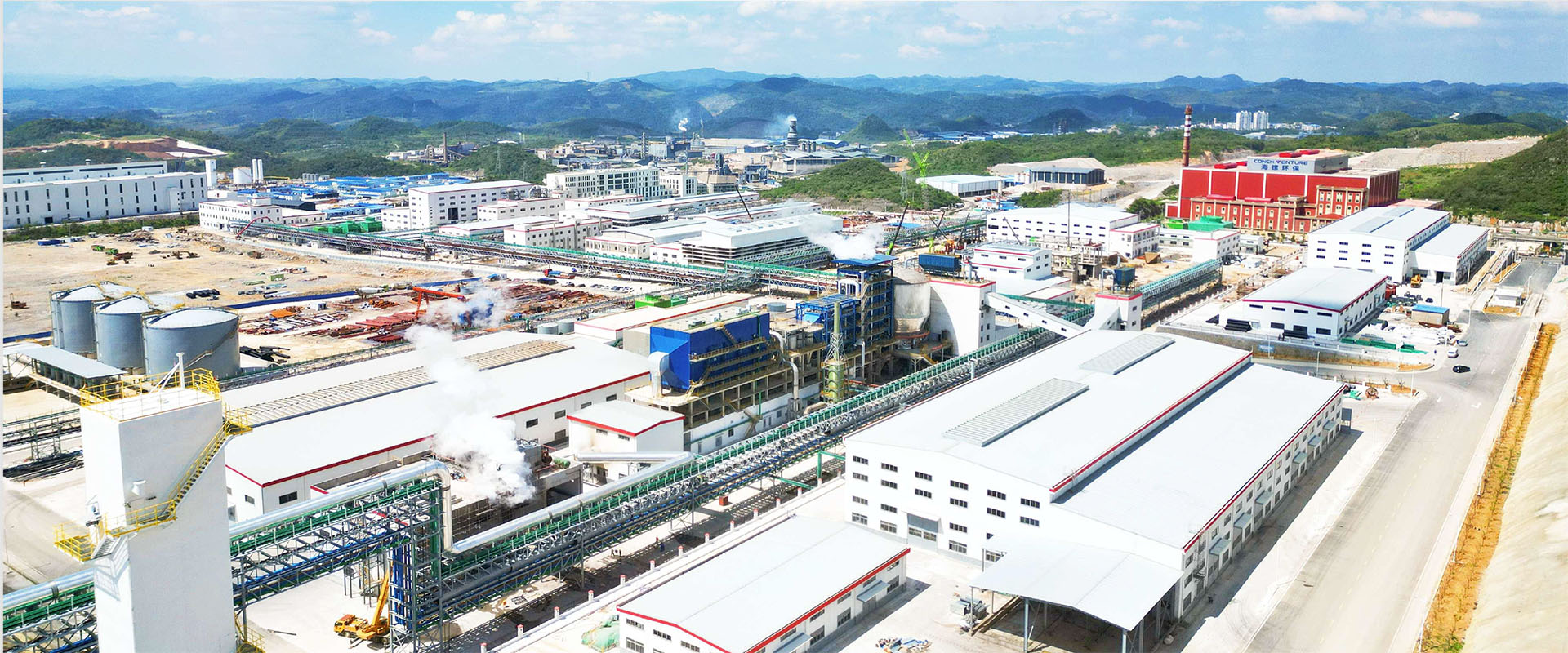
Construction of steel structure workshops can be carried out in the rainy season, provided that safety and quality are strictly controlled.
Core Principles:
No welding, no coating, no final bolting, no risky hoisting, and no illegal electricity use on rainy days.
With proper measures and strict management, rainy-season construction can be safe, reliable, and controllable.
The content is collected from the Internet for reference only. Please contact us for deletion if there is any copyright issue.
 Multi-high-rise Steel Structure
Industrial Plant
Steel Structure Bridge
Energy and Chemical Industry
Space Truss Pipe Truss
BIM application
prefabricated building
steel structure workshop
steel structure bridge
floor slab system
wall panel system
Multi-high-rise Steel Structure
Industrial Plant
Steel Structure Bridge
Energy and Chemical Industry
Space Truss Pipe Truss
BIM application
prefabricated building
steel structure workshop
steel structure bridge
floor slab system
wall panel system
 Scan the QR code to follow us
 Official WeChat
