Several Rust Removal Methods for Steel Structures
Release time:2026-04-29 09:10:48
Both fireproofing and corrosion protection of steel structures are realized by coating. Before coating steel structures, their surfaces must be properly treated, among which rust removal is essential. So what are the common rust removal methods for steel structures?1. Blast cleaning This method uses compressed air treated by oil-water separation to propel abrasives out of a nozzle at high speed, with the compressed air pressure generally at 0.4–0.6 MPa. The high-speed pressurized abrasives create friction and impact upon contact with the steel surface, removing mill scale and rust. This method is location‑independent, highly efficient, offers great flexibility in blasting points, leaves no dead corners, and delivers excellent rust removal quality. It also creates a certain roughness on the steel surface to improve paint adhesion, making it a widely recommended method.2. Shot blasting By means of high-speed rotation of the impeller blades in a shot blasting machine, abrasives are thrown centrifugally onto the steel surface. The high-velocity abrasives impact and rub the steel to remove rust and mill scale. This method features high efficiency, good rust removal quality, and creates appropriate surface roughness for better paint adhesion. It also has low labor intensity and relatively light environmental pollution, so manufacturing plants should give priority to this method.3. Manual rust removal Performed manually with wire brushes, this method is easy to carry out but has low productivity, high labor intensity, poor rust removal quality, and causes environmental pollution. It is only suitable for partial rust removal.4. Power tool cleaning Driven by compressed air or electric power, rust removal tools produce rotary or reciprocating motion. Friction and impact generated during contact with the steel surface remove mill scale and rust. This method is more efficient and delivers better quality than manual rust removal, and can be adopted under general conditions.

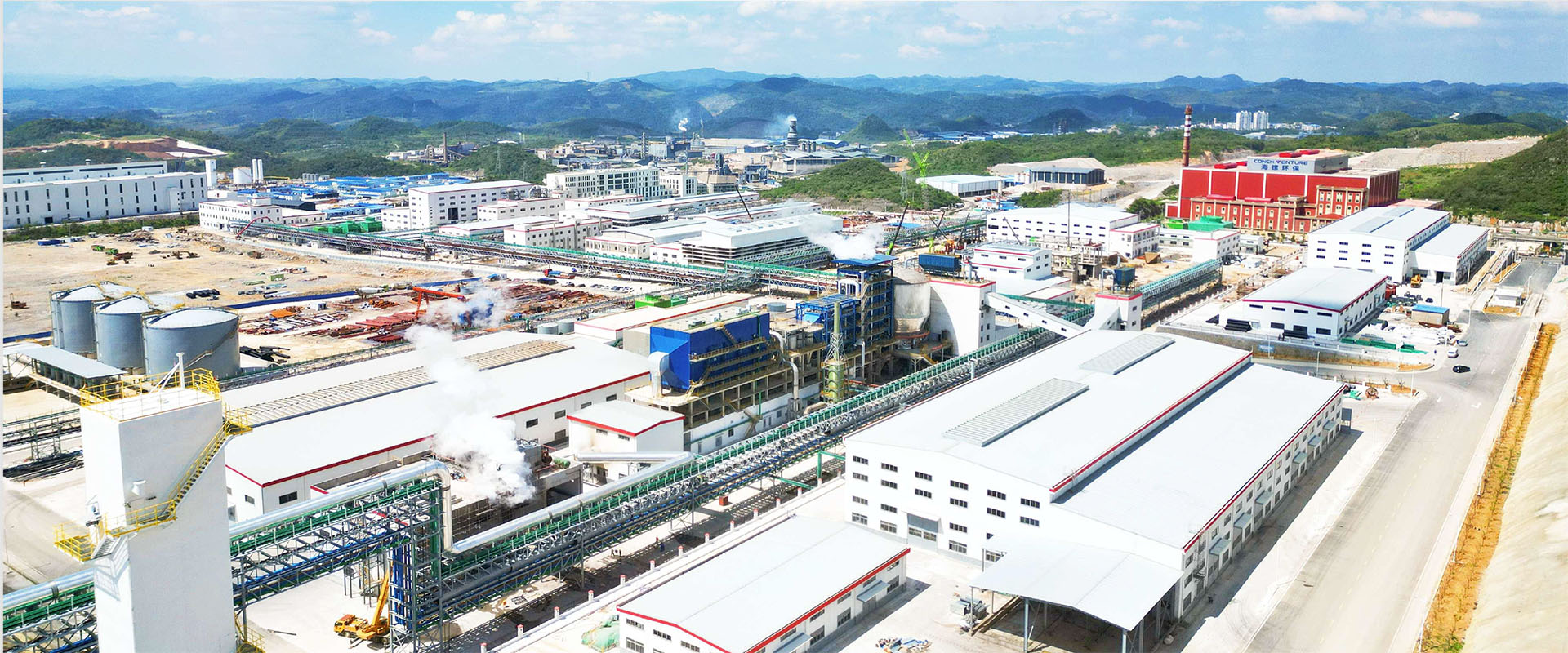
 Multi-high-rise Steel Structure
 Scan the QR code to follow us
 Official WeChat
